Skip to content
Celsentra · Company detailsProduct references · Project enquiries
Micro Patch Worksby Celsentra

Microneedle patch research and OEM development

Microneedle Structures, Prototypes & OEM Development

Micro Patch Works brings Celsentra’s microneedle project information together around physical design, sample evaluation and the records needed to define an OEM development scope.

Define the next stage.

Choose where your patch project starts.

Review document requirements
Illustrative brand and project presentation

Define the sample before the next stage.

Micro Patch Works brings Celsentra’s microneedle project information together around physical design, sample evaluation and the records needed to define an OEM development scope.

01

A patch is a complete development system

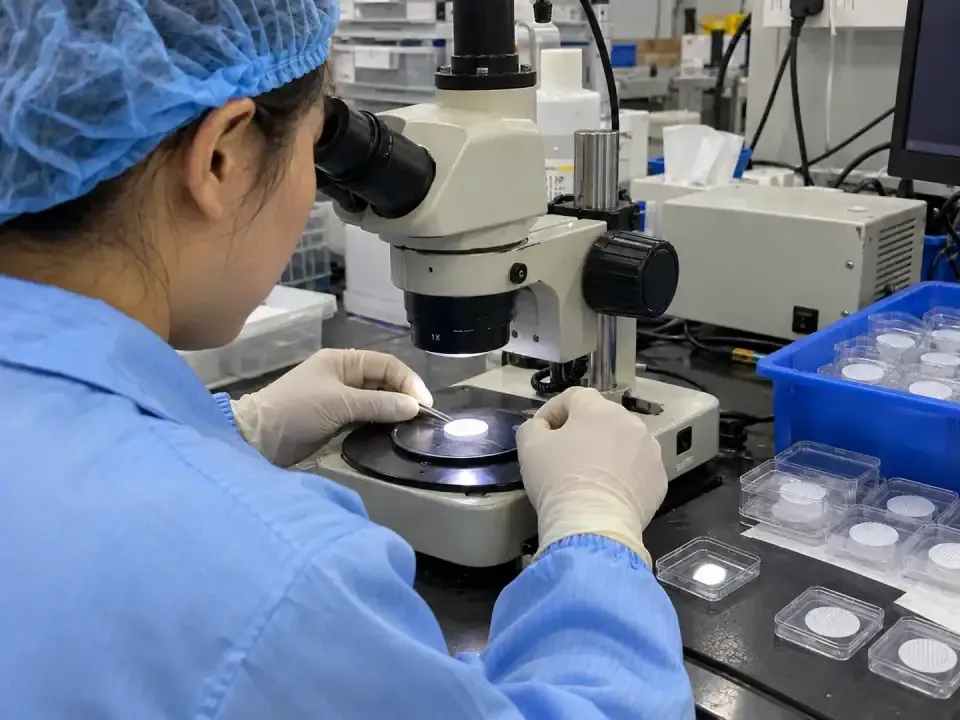
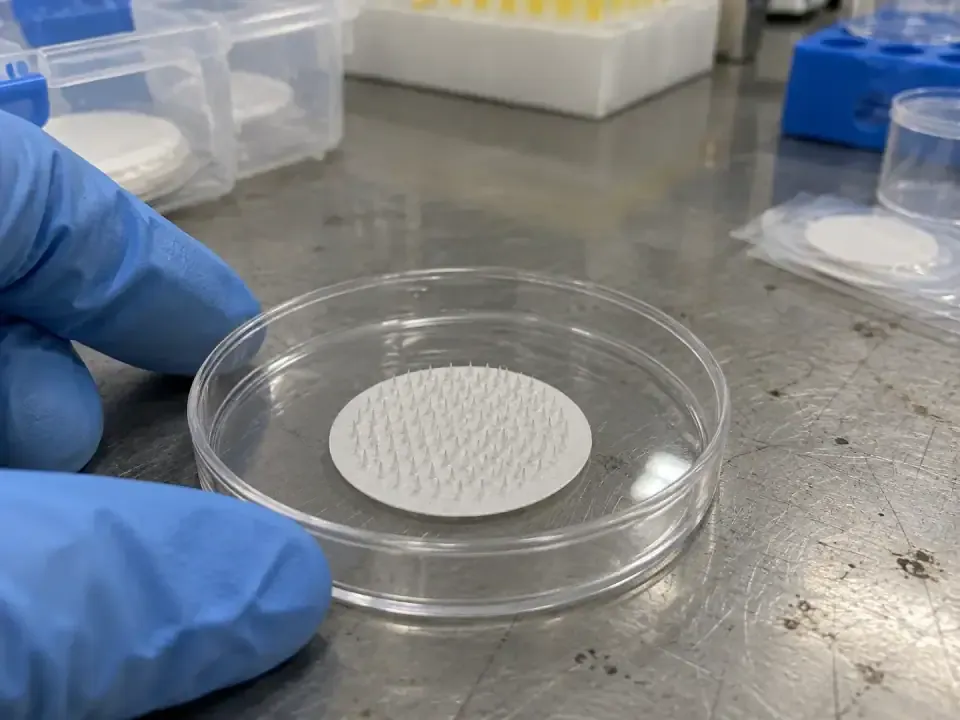
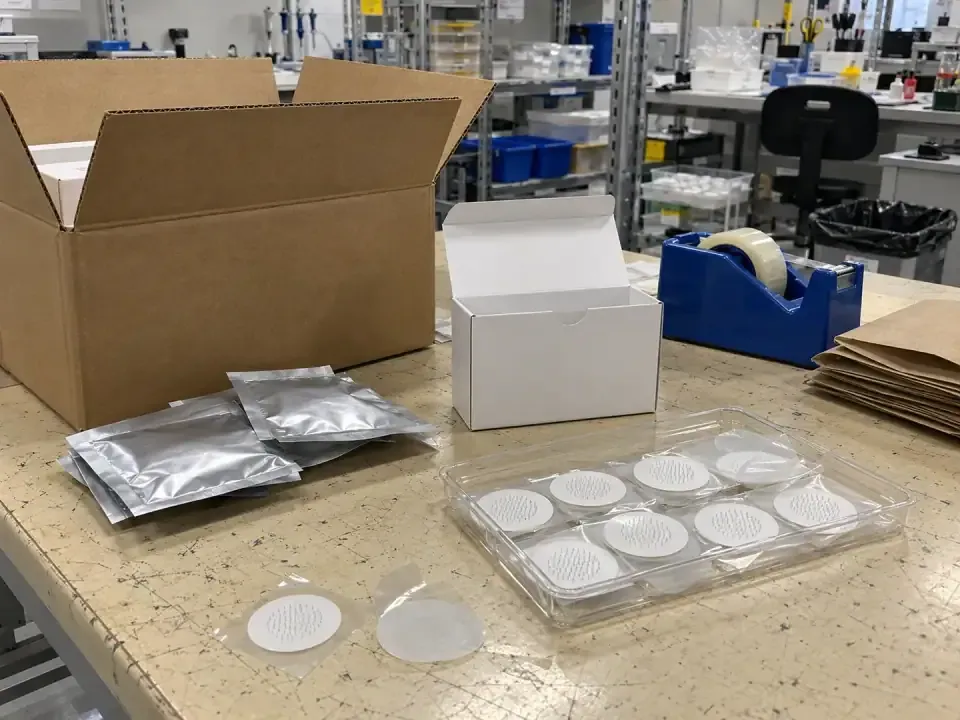
A microneedle patch combines a small array of projections with a supporting structure and protective packaging. Each part has a different role: the array defines the contact geometry, the backing supports handling, and the enclosure helps preserve the sample before evaluation. Development therefore involves more than choosing a patch shape. Teams also need to understand material behaviour, dimensional consistency, sample identification and the relationship between the patch and its proposed application. These pages introduce those subjects in a sequence that helps technical and purchasing colleagues work from the same description.

02

From an idea to an evidence-based specification

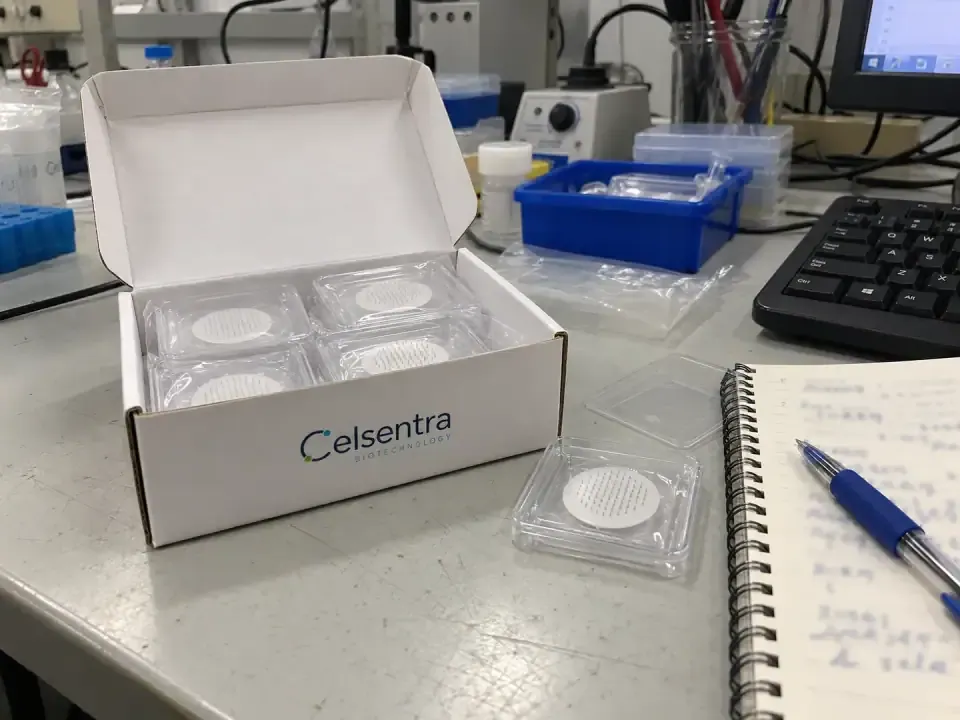
An early concept might describe a round patch, a particular backing or an intended active ingredient. A usable specification goes further: it identifies the sample revision, the attributes to measure and the evidence needed for the next decision. Blank structural samples, formulation studies and packaged prototypes answer different questions. Keeping those categories distinct makes results easier to interpret and prevents an attractive prototype from being mistaken for a finished product. The development topics here are organized around those decisions, with separate pages for architecture, evaluation, packaging and the records that connect them.
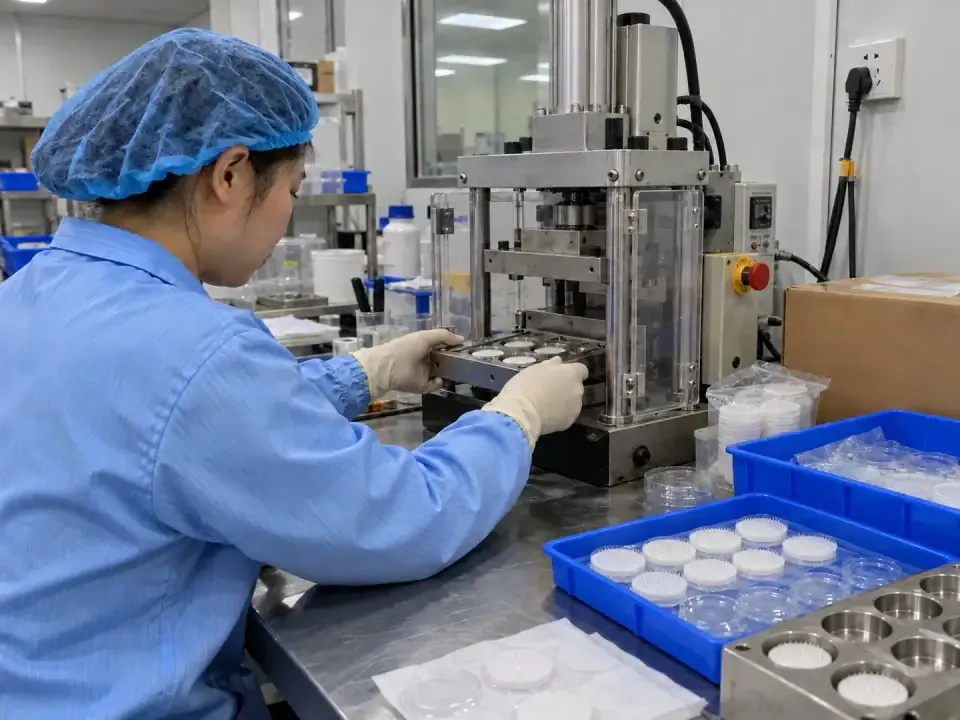
From structure to the next prototype.

Explore our capabilities
Micro Patch Works project illustration

Prototypes

Use structural samples to explore shape, handling, enclosure fit and inspection methods before combining every project variable.

Explore this area
Micro Patch Works project illustration

Materials

Explore the connection between the structural matrix, a proposed payload and the way a sample is protected and evaluated.

Explore this area

Bring the details.
Build a better brief.

Quality & documentation
  1. 01

    Identify the reference

    Choose the exact product, sample or project you want to discuss.

  2. 02

    Review the documents

    Match the specification and relevant records to your requirement.

  3. 03

    Define your next step

    Share quantity, destination and presentation requirements with the team.

Knowledge for a clearer decision.

Visit the library

A useful first conversation starts here.

All questions & answers
Is a microneedle patch the same as a conventional adhesive patch?

No. A microneedle patch includes a microstructured array. Its design also involves supporting and protective components, which should be described separately.

What can a blank prototype demonstrate?

It can support discussions about structure, handling and package fit within its defined evaluation scope. It does not establish the behaviour of a later active formulation.

Does nominal loading equal the delivered amount?

No. Nominal loading, measured content and delivery are different quantities. Each needs its own definition and supporting method.

Are all needle lengths available as standard products?

A published range should be read in the context of the specific platform and project. A confirmed drawing and sample specification are needed before treating a dimension as an available option.

Microneedle patch research and OEM development

Define the next stage of your project.

Discuss your requirements